At 15 weeks, you’re well into the second trimester, often the most comfortable stretch of pregnancy. Early nausea typically fades, energy starts to return, and your baby is developing quickly. This week also opens an important window for second-trimester prenatal screenings, and it’s a natural time to start thinking about preterm birth risk if you haven’t already.

Your Baby at 15 Weeks Pregnant
Your baby is growing fast this week. Here’s what’s happening:
- Size: About 4 inches long from crown to rump, roughly the size of an apple, and weighing around 3 ounces.
- Hearing: The tiny bones inside your baby’s ears are forming. They can now perceive sounds, including your heartbeat, your digestive system, and your voice.
- Lanugo: A fine, soft hair called lanugo is beginning to grow across your baby’s skin. Most of it will shed before birth.
- Facial features: Your baby’s ears are continuing to shift toward their final position higher on the head. Facial features are becoming more defined.
- Movement: Your baby is active, developing grip strength and early reflexes like thumb-sucking, squinting, and grimacing — though most first-time moms won’t feel those movements until around 18 to 20 weeks.
Changes in Your Body at 15 Weeks Pregnant
At 15 weeks, your uterus has grown enough that your belly is likely starting to show. As it expands, your center of gravity shifts, which can affect your balance and posture. This is normal, and small adjustments to how you move, sit, and sleep can help.
15 Week Belly Bump
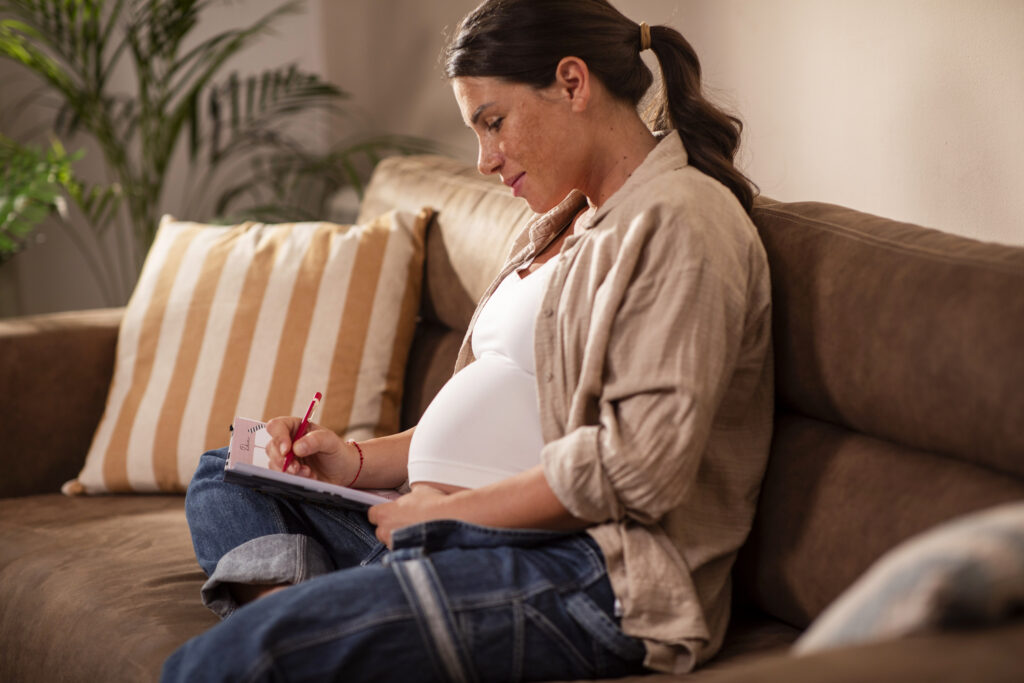
Your baby bump may be making its debut this week. The uterus has grown enough to push your belly outward, and many people begin looking visibly pregnant between weeks 12 and 16. The shape and size of your bump varies depending on your body type and whether this is your first pregnancy.
You might find yourself reaching for stretchier clothing or exploring maternity wear. A belly band can offer extra support, and mild stretching or achiness around your lower abdomen is normal as your ligaments adjust.
Common Symptoms at 15 Weeks
The second trimester brings symptom relief for many people, but it introduces some new ones. Here’s what’s common at 15 weeks:
- Backaches: As your uterus shifts your center of gravity, lower back strain is common. Supportive shoes, good posture, and gentle prenatal yoga can all help.
- Sensitive or bleeding gums: Pregnancy hormones increase blood flow to the gums, making them more tender. Gentle brushing and regular dental care help.
- Nosebleeds and congestion: Increased blood volume can cause nasal vessels to swell or rupture easily.
- Swelling (edema): Mild swelling in your feet, legs, or hands is normal as blood volume rises.
- Spider veins: Small, visible blood vessels may appear on your legs or chest — a common result of increased circulation.
- Pregnancy brain: Forgetfulness and mild difficulty concentrating are temporary and very common.
- Increased appetite: Your body needs more energy to support your baby’s growth. Small, balanced meals throughout the day help maintain steady energy levels.
- Lingering nausea: Some people still experience mild nausea at week 15. Smaller meals and staying well-hydrated can help.
- Occasional headaches: Stay hydrated and rest in a dark, quiet room if needed.
- Round ligament pain: A sharp sensation in the lower abdomen from stretching ligaments. Resting and avoiding sudden movements can help.
On the positive side, many moms notice a real return of energy and improved mood during the second trimester — often called the “honeymoon phase” of pregnancy.
Prioritizing Your Health at 15 Weeks Pregnant
Prenatal Tests at 15 Weeks
Week 15 opens an important window for several second-trimester prenatal screenings. Tests available starting at week 15:
- Quad screen: A blood test offered between weeks 15 and 22, with optimal timing at weeks 16 to 18. It screens for Down syndrome, trisomy 18, and neural tube defects. Results reflect probability, not a definitive diagnosis.
- Maternal serum alpha-fetoprotein (MSAFP): Available weeks 15 to 20. Screens for neural tube defects such as spina bifida.
- Sequential/integrated screening: A second blood draw taken between weeks 15 and 20, measuring AFP, hCG, uE3, and inhibin A.
- Amniocentesis: Available after week 15 for diagnostic confirmation. This is a more involved procedure with a small miscarriage risk (approximately 1 in 500 to 1,000 cases) and is typically offered when screening results suggest a need for follow-up.
Routine visits at this stage also include blood pressure, weight, urine, and checking your baby’s heartbeat.
Later in the second trimester:
- Around weeks 18 to 22: an anatomy scan examines your baby’s organs and confirms your due date.
- Between weeks 24 and 28: a glucose screening test checks for gestational diabetes.
If you have any concerns or experience unusual symptoms between appointments, don’t wait for your next scheduled visit.
The PreTRM® Test: Risk Assessment for Preterm Birth
Preterm birth — delivery before 37 weeks — affects approximately 1 in 10 U.S. pregnancies (10.41%, according to the CDC). For many of those pregnancies, there are no obvious warning signs ahead of time, which is why predictive testing matters.
The PreTRM Test is a clinically validated blood test that identifies pregnancies at higher risk for spontaneous preterm birth. It’s designed for asymptomatic, singleton pregnancies and provides an early individual risk assessment. Traditional indicators, such as cervical length or a history of prior preterm birth, fail to predict most preterm births. The PreTRM Test was developed to close that gap.
When a pregnancy is identified as higher risk for early delivery, there are steps doctors and expectant mothers can take to support a healthier outcome.
Learn more about the PreTRM Test or talk to your healthcare provider about whether it’s right for your pregnancy.

Tips for Staying Healthy and Active
Regular movement during pregnancy supports energy, mood, and physical comfort. Aim for at least 30 minutes of moderate activity most days — walking, swimming, and prenatal yoga are all good options. Always check with your provider before starting anything new.
- Stay hydrated: Aim for at least 8 glasses of water daily.
- Eat balanced meals: Focus on lean proteins, whole grains, fruits, and vegetables. Small, frequent meals help with energy and nausea.
- Pelvic floor exercises: Regular Kegels support your uterus and help reduce incontinence risk during and after pregnancy.
- Get enough sleep: Aim for 7 to 9 hours. A pregnancy pillow can help as your belly grows.
Emotional Well-Being at 15 Weeks
It’s completely normal to feel a mix of excitement, anxiety, and uncertainty during pregnancy. Hormonal shifts, physical changes, and anticipating a new chapter all contribute to fluctuating emotions.
Things that help:
- Mindfulness: Deep breathing, gentle movement, or journaling to manage stress.
- Light exercise: Activity boosts mood through endorphin release.
- Connection: Lean on your partner, family, or friends; consider a prenatal support group.
If you’re experiencing persistent sadness or anxiety that’s interfering with daily life, talk to your provider. Prenatal mental health support is available and effective.
Lifestyle Adjustments at 15 Weeks Pregnant
Posture:
- Maintain good posture to reduce back strain.
- Use a support cushion when sitting for long periods.
- Sleep on your left side to improve circulation and reduce swelling.
Clothing:
- Loose-fitting, stretchy maternity wear becomes more comfortable this week.
- Supportive shoes with good arch support help with your shifting center of gravity.
Eating:
- Small, frequent meals help manage nausea and energy dips.
- Stay hydrated throughout the day.
Looking Ahead: What Comes After 15 Weeks
The second trimester continues to be an active time for your baby’s development and your prenatal care. Here’s what to expect in the coming weeks:
- Weeks 16 to 18: The optimal window for the quad screen if you haven’t scheduled it yet.
- Around weeks 18 to 20: Most first-time moms begin to feel fetal movements like a flutter or light sensation sometimes called “quickening”.
- Weeks 18 to 22: The anatomy scan gives you a detailed look at your baby’s development and may reveal the sex if you’d like to know.
- Weeks 24 to 28: Glucose screening for gestational diabetes.
Your baby will continue growing rapidly, your belly will become more pronounced, and prenatal visit rhythm will settle in. Stay in communication with your provider about any questions or symptoms as they come up.
Frequently Asked Questions
What is my baby doing at 15 weeks pregnant?
At 15 weeks, your baby is about 4 inches long and weighs roughly 3 ounces. The bones in their ears are forming, and they can now perceive sounds — including your heartbeat and voice. Fine hair called lanugo is growing across their skin, and their facial features are shifting into their final positions. Your baby is active, though most first-time moms won’t feel movements until around 18 to 20 weeks.
What symptoms are normal at 15 weeks pregnant?
Common symptoms at 15 weeks include backaches, sensitive or bleeding gums, nosebleeds, mild swelling in the hands and feet, increased appetite, and pregnancy brain. Many people also experience a return of energy during this stretch of the second trimester, often called the “honeymoon phase.”
What prenatal tests are available at 15 weeks?
The quad screen and maternal serum alpha-fetoprotein (MSAFP) test both open at week 15. These blood tests screen for chromosomal conditions and neural tube defects, and are typically offered between weeks 15 and 20. Amniocentesis is also available after week 15 for anyone who needs diagnostic follow-up. Routine visits at this stage include blood pressure, weight, urine checks, and listening to your baby’s heartbeat.
Can preterm birth risk be identified during pregnancy?
Yes. The PreTRM Test is a blood-based test that assesses individual risk for spontaneous preterm birth. Preterm birth affects about 1 in 10 U.S. pregnancies, and because traditional risk indicators miss the majority of cases, earlier assessment through a validated blood test can help providers and patients take informed steps when risk is identified.
When will I feel my baby move?
Most first-time moms begin to feel fetal movements, sometimes called “quickening,” between 18 and 20 weeks. If you’ve been pregnant before, you might notice movement a little earlier. At 15 weeks, your baby is active — but those movements are still too small to feel.
References
1. Ernst, H. (Reviewer). (2018, March 12). 15 weeks pregnant: Symptoms, baby development, and things to do. Medical News Today. https://www.medicalnewstoday.com/articles/300465
2. Nemours KidsHealth. (2025, April). Prenatal tests during the second trimester. KidsHealth. https://kidshealth.org/en/parents/tests-second-trimester.html
3. Centers for Disease Control and Prevention. (2025). Preterm birth. CDC. https://www.cdc.gov/maternal-infant-health/preterm-birth/index.html
4. Pampers. (n.d.). 15 weeks pregnant: Symptoms, signs & what not to ignore. Pampers. https://www.pampers.com/en-us/pregnancy/pregnancy-calendar/15-weeks-pregnant
5. Svenvik, M., et al. (2024). Early prediction of spontaneous preterm birth before 34 gestational weeks. Frontiers in Immunology. https://pubmed.ncbi.nlm.nih.gov/39076980/
6. Raia-Barjat, T., et al. (2023). EG-VEGF maternal levels predict spontaneous preterm birth. Scientific Reports. https://pubmed.ncbi.nlm.nih.gov/37963927/
Request the PreTRM® Test
Haven’t had the PreTRM Test yet? Talk with your healthcare provider or you can have a kit shipped to your home.