Preterm birth—also called premature birth—is a pregnancy complication affecting one in ten U.S. pregnancies. While medical science has made great strides in caring for babies after a premature birth, standard pregnancy care has, until now, been unable to identify most of the pregnancies at high risk of premature delivery.
Impacts of Preterm Birth The PreTRM® Test

What is Spontaneous Preterm Birth (sPTB)?
A preterm birth is a delivery that occurs any time before the start of the 37th week of pregnancy, or three or more weeks before the baby’s due date. While not all babies born early face complications, those who are born earlier generally have more severe complications than those born closer to term.
Premature birth can occur spontaneously—known as spontaneous preterm birth (sPTB)—or because of a medical intervention–known as medically indicated preterm birth (miPTB). The PreTRM Test was designed to identify pregnancies at high risk for spontaneous preterm birth.
Short- and long-term risks of premature birth

Spontaneous Preterm Birth (sPTB)
Spontaneous preterm birth is defined as a delivery before 37 weeks resulting form one or both of the following events:
- The mother enters spontaneous labor
- The placental membranes rupture (also known as “water breaking”)
Request the PreTRM Test
Haven’t had the PreTRM Test yet? Talk with your healthcare provider or you can have a kit shipped to your home.
Medically Indicated Preterm Birth (miPTB)
Sometimes, a preterm delivery is initiated by a physician because of certain risks to the mother or infant. Common reasons for miPTB include:
- Preeclampsia or eclampsia
- Abnormal placental attachment to uterine wall
- Maternal illness
- Intrauterine growth restriction
- Hydrops (fetal swelling)
- Fetal heart rate abnormalities
One In Ten Babies Are Born Too Soon
In 2020, there were just over 3.6 million babies born in the United States. Of these, 10.09%—or about 364,000—were born prematurely.1
Preterm birth is the most prevalent medical challenge facing pregnant mothers in the U.S. It is more common than other well-known pregnancy/neonatal conditions:
| Condition | Prevalence |
| Preterm Birth | 1 in 101 |
| Preeclampsia | 1 in 302 |
| Down Syndrome | 1 in 7003 |
| Cystic Fibrosis | 1 in 3,5004 |
Preterm birth affects more than 1 in 10 U.S. pregnancies.
The Differences between Preterm Babies and Full Term Babies
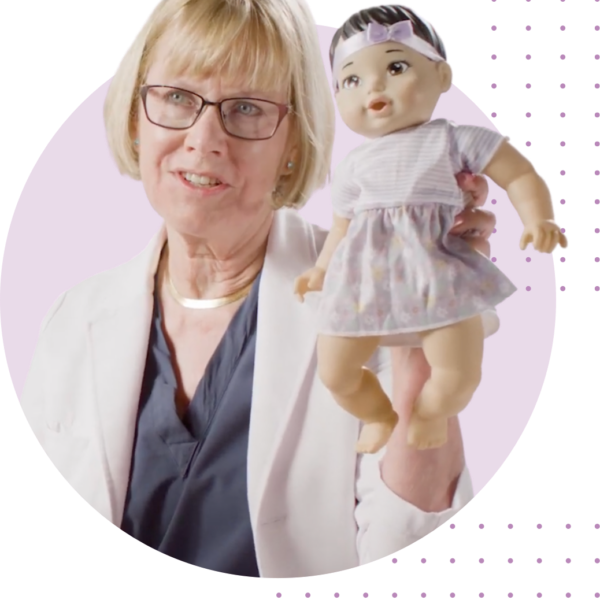
Dr. Phelps Sandall, MD discusses the differences in the development of preterm birth babies and babies that develop to full term. The PreTRM® Test can help identify pregancies at higher risk of preterm birth so that proper preterm birth management practices can be initiated.
Watch our Video on The Differences between Preterm Babies and Full Term Babies
What Are the Impacts of Preterm Birth?
Not all premature babies develop complications. However, preterm birth can cause a range of health problems. Although modern NICUs and special care nurseries have made great strides in improving health outcomes after preterm birth, the best place for a baby to develop is in the womb. The emotional, financial, and health implications for preterm babies and families can be overwhelming.
Higher Rates of Medical Conditions
There are a variety of short-and-long-term medical conditions associated with preterm birth, which require more hospital time and pediatric visits for premature babies than for full-term babies.
Learn more about the short-and-long-term complications of preterm birth
Contact us for more information about preterm birth and the PreTRM Test.
References
- Hamilton BE, et al. Births: Provisional data for 2020. Vital Statistics Rapid Release; no 12. Hyattsville, MD: National Center for Health Statistics. May 2021.
- Preventive Services Task Force. Screening for preeclampsia: U.S. Preventive Services Task Force recommendation statement. JAMA. 2017;317(16):1661–67.
- Mai CT, et al. National population‐based estimates for major birth defects, 2010–2014. Birth Defects Research. 2019; 111(18): 1420-1435.
- O’Sullivan BP, et al. Cystic fibrosis. Lancet. 2009;373(9678):1891–1904.
- Callaghan WM, et al. The contribution of preterm birth to infant mortality rates in the United States. Pediatrics. 2006 Oct;118(4):1566-73.
Request the PreTRM® Test
Haven’t had the PreTRM Test yet? Talk with your healthcare provider or you can have a kit shipped to your home.